
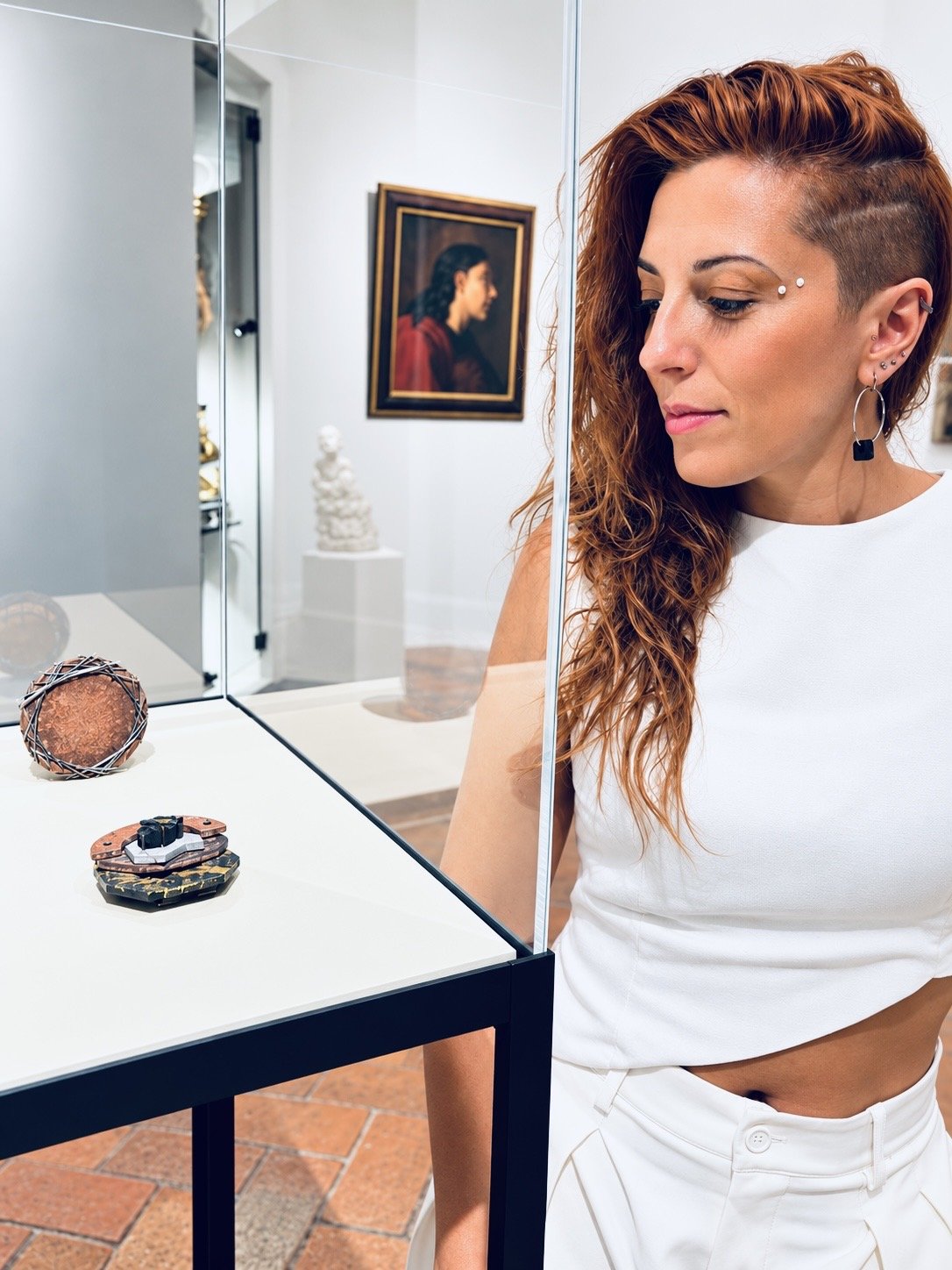
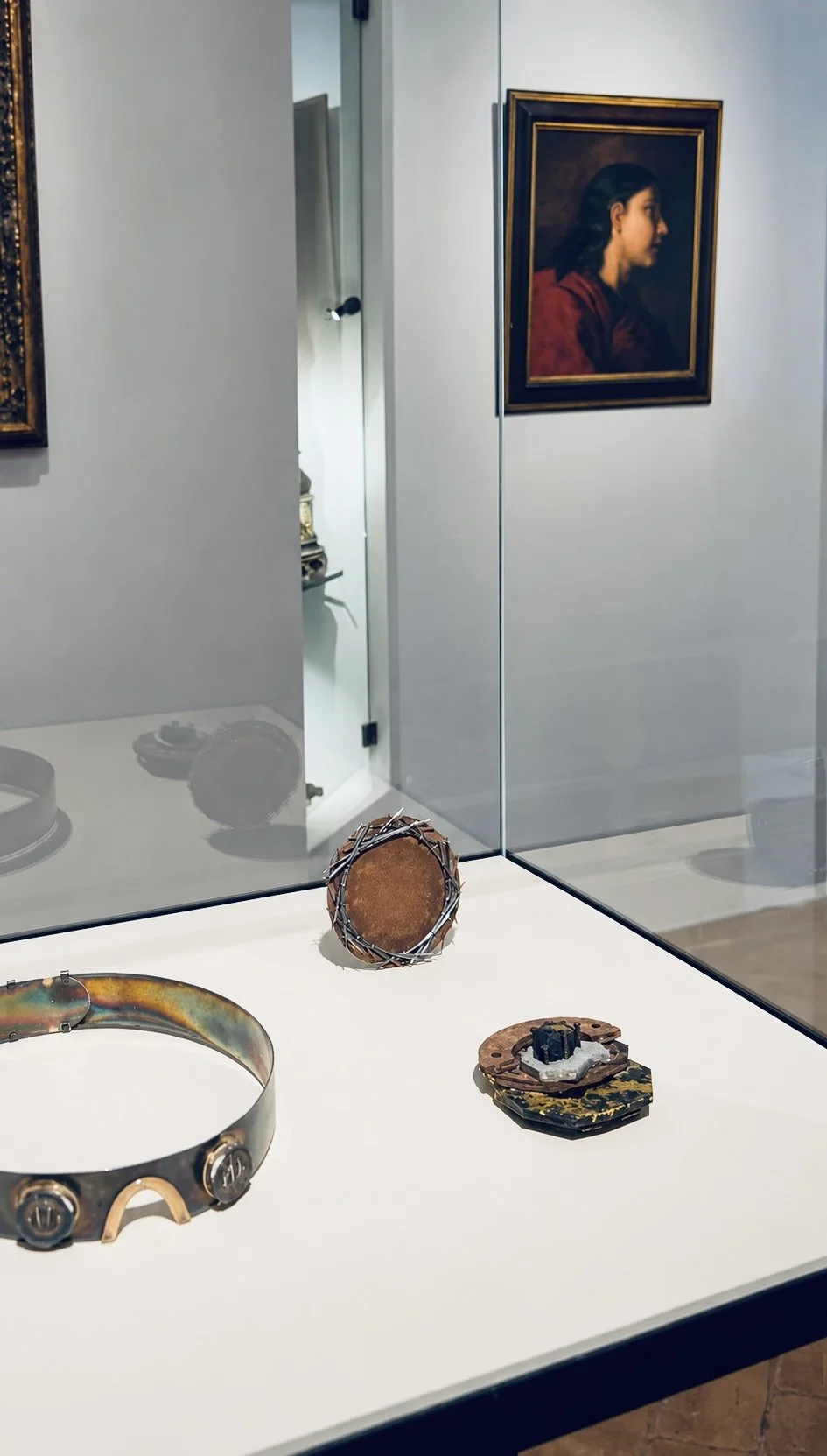
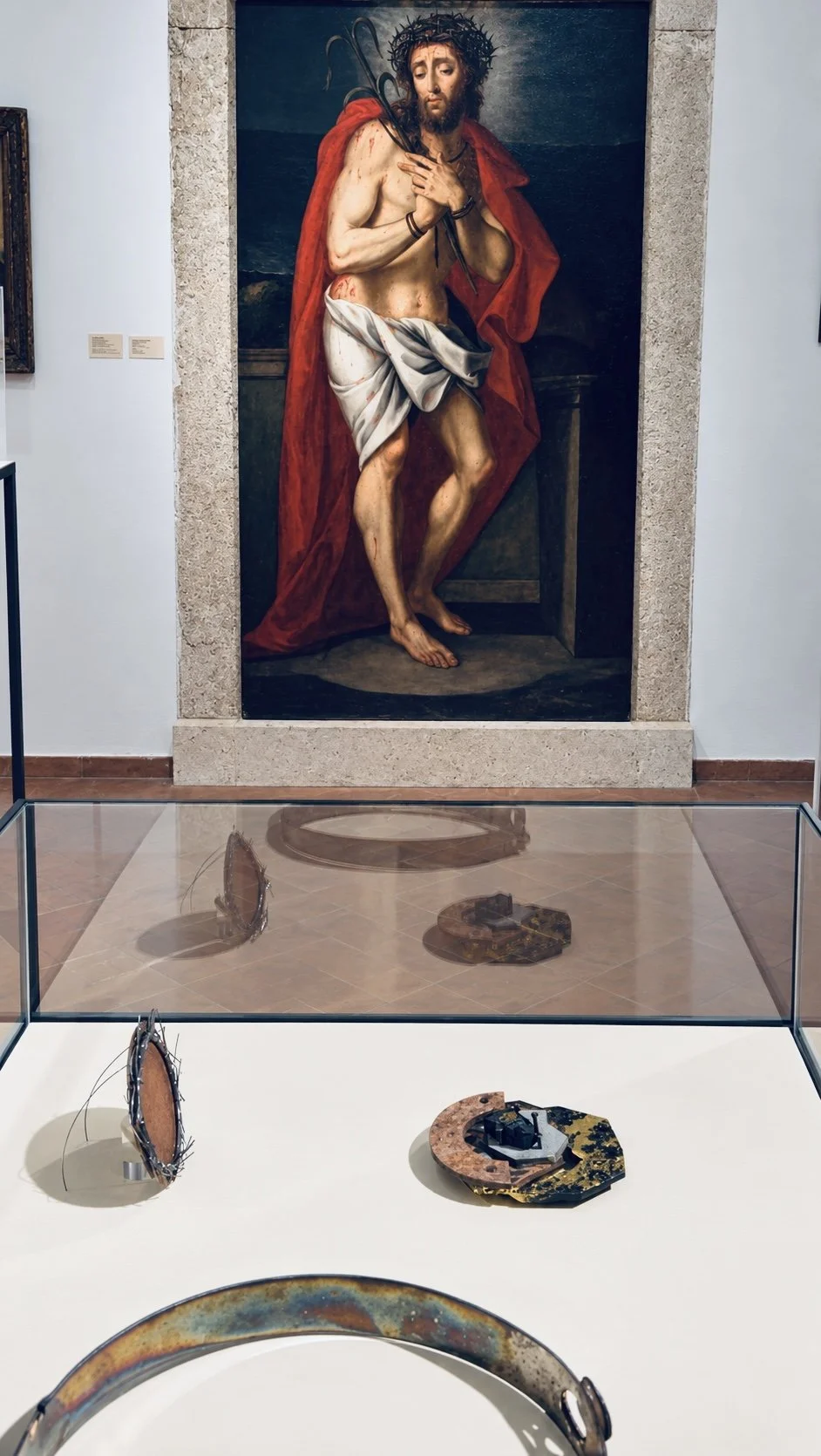
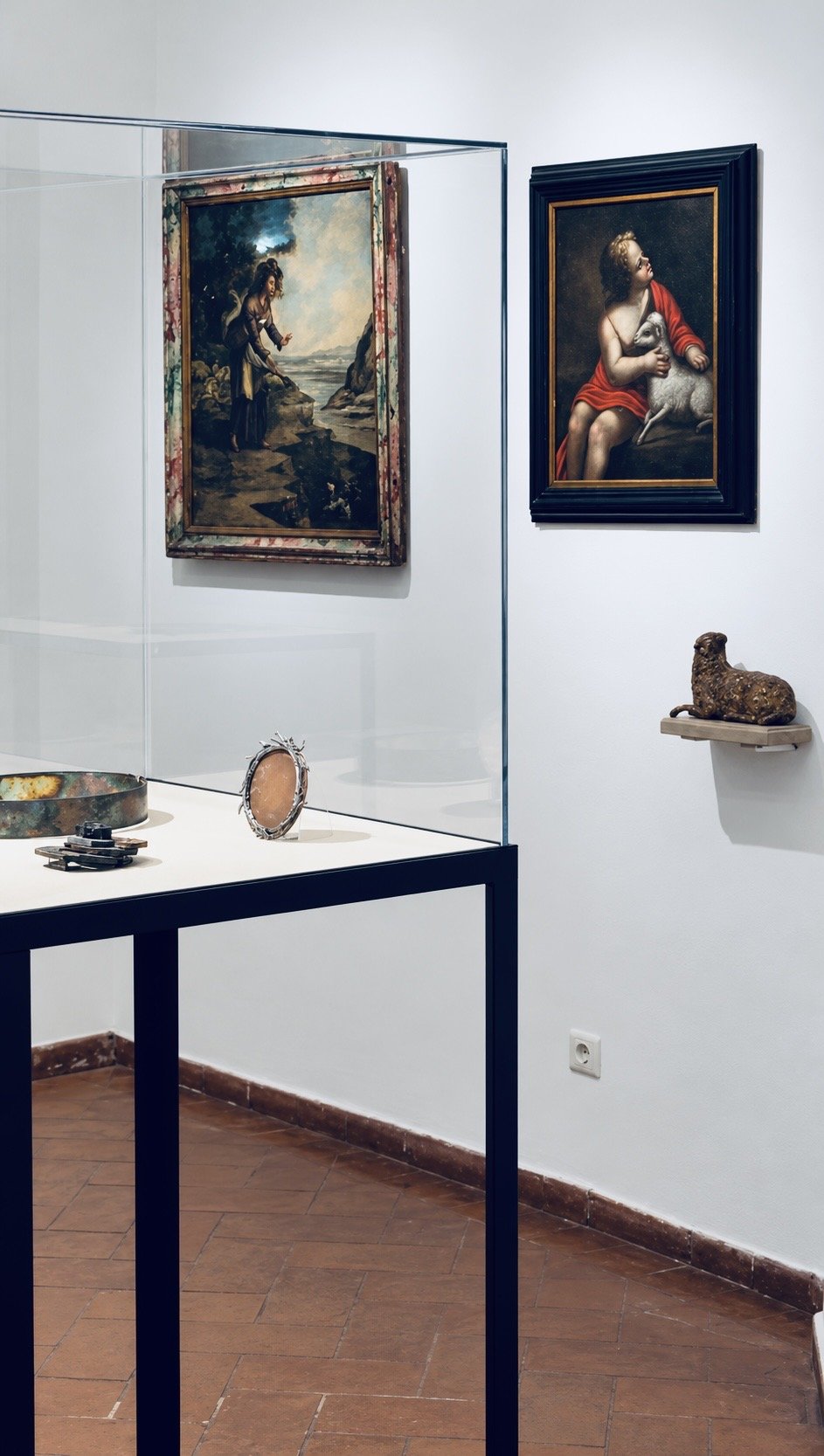
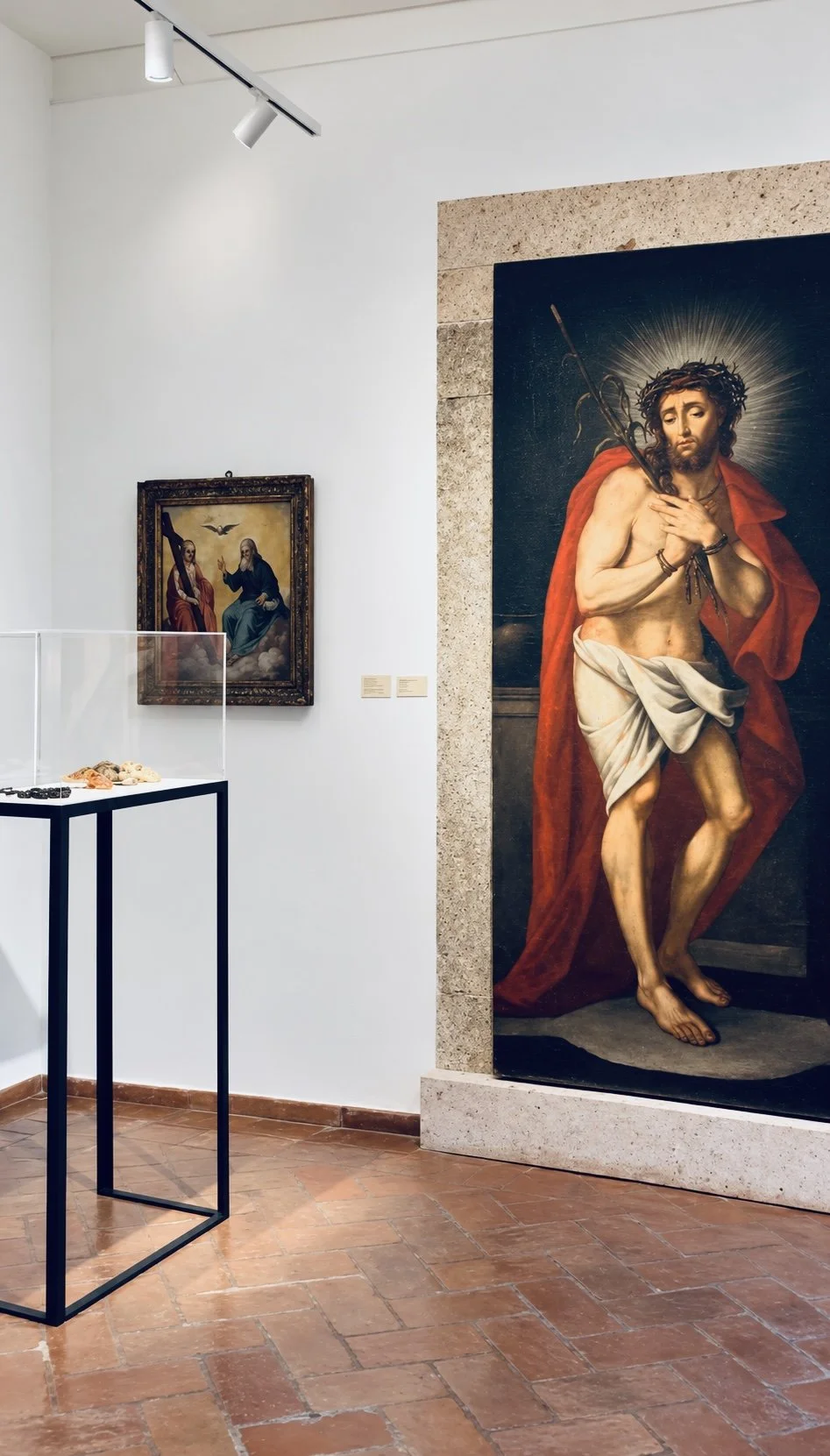
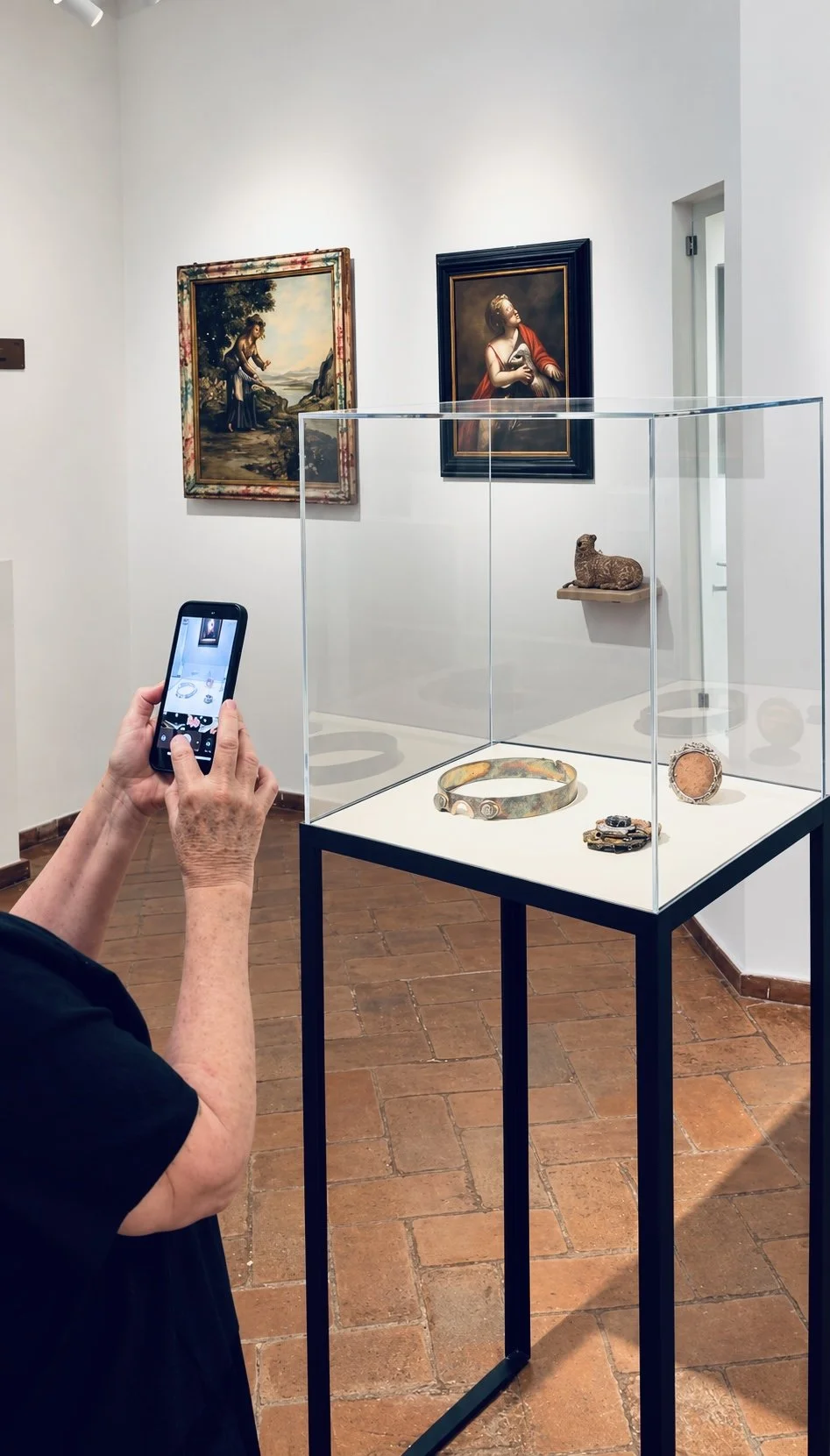
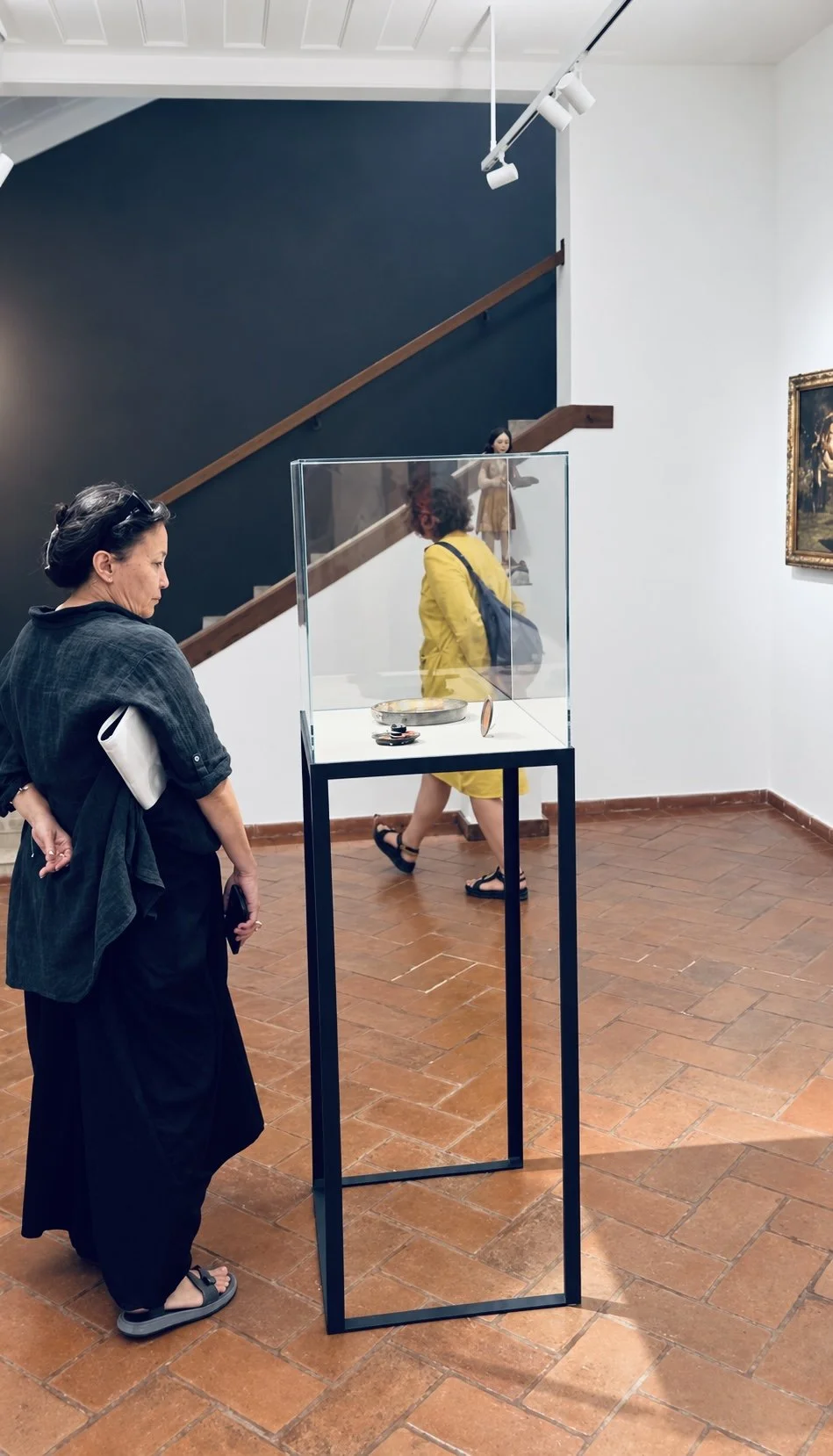
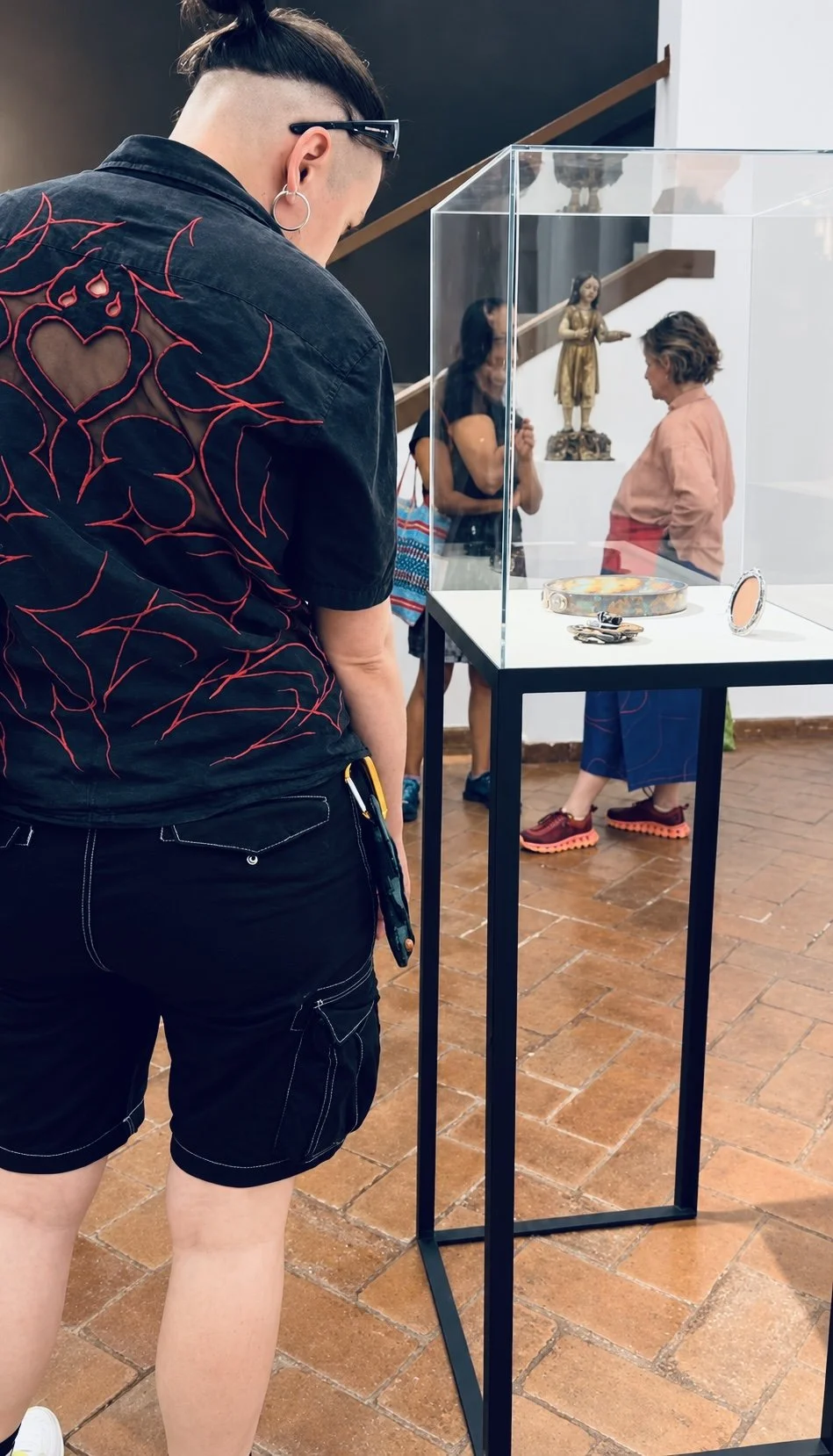
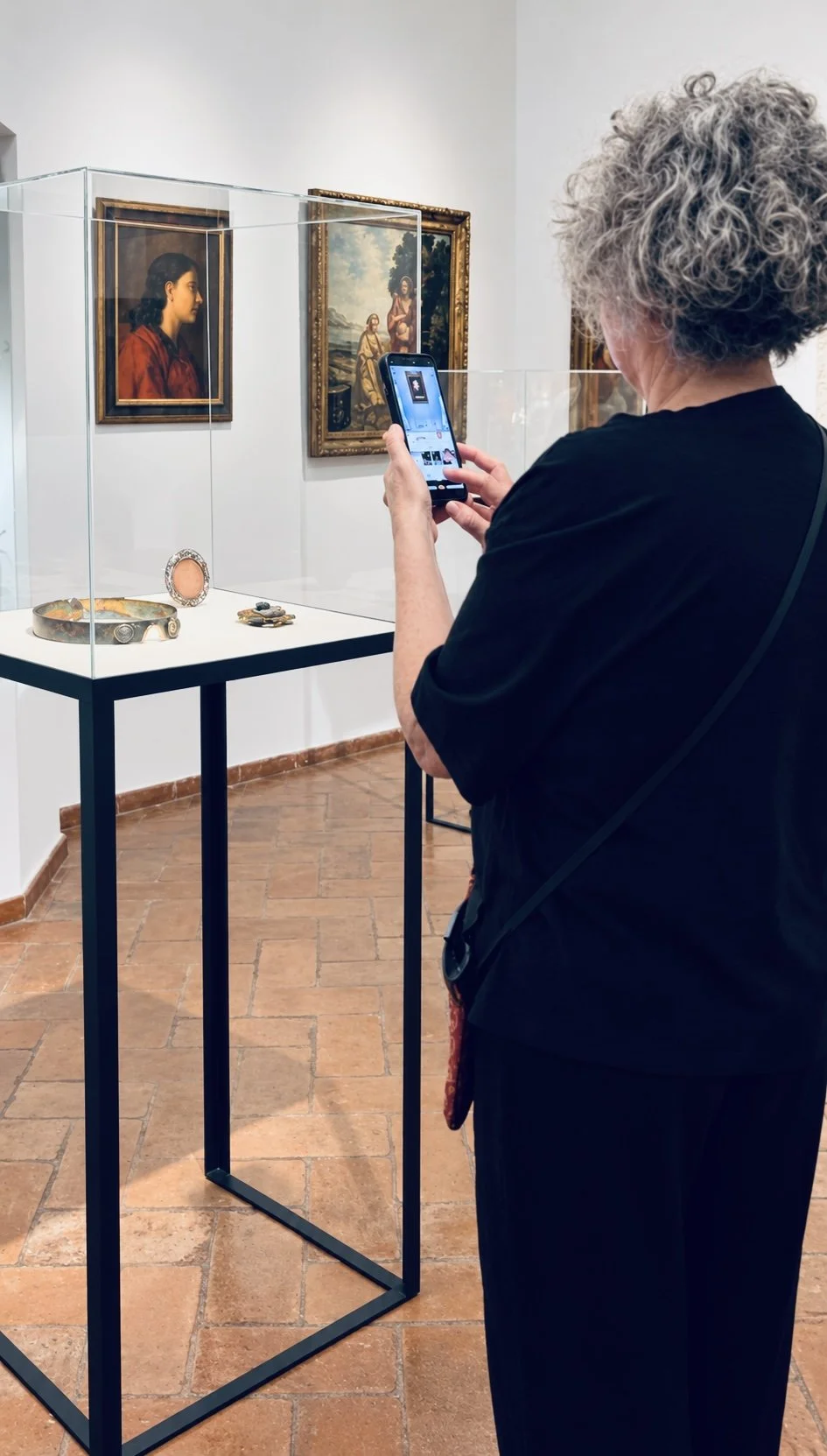
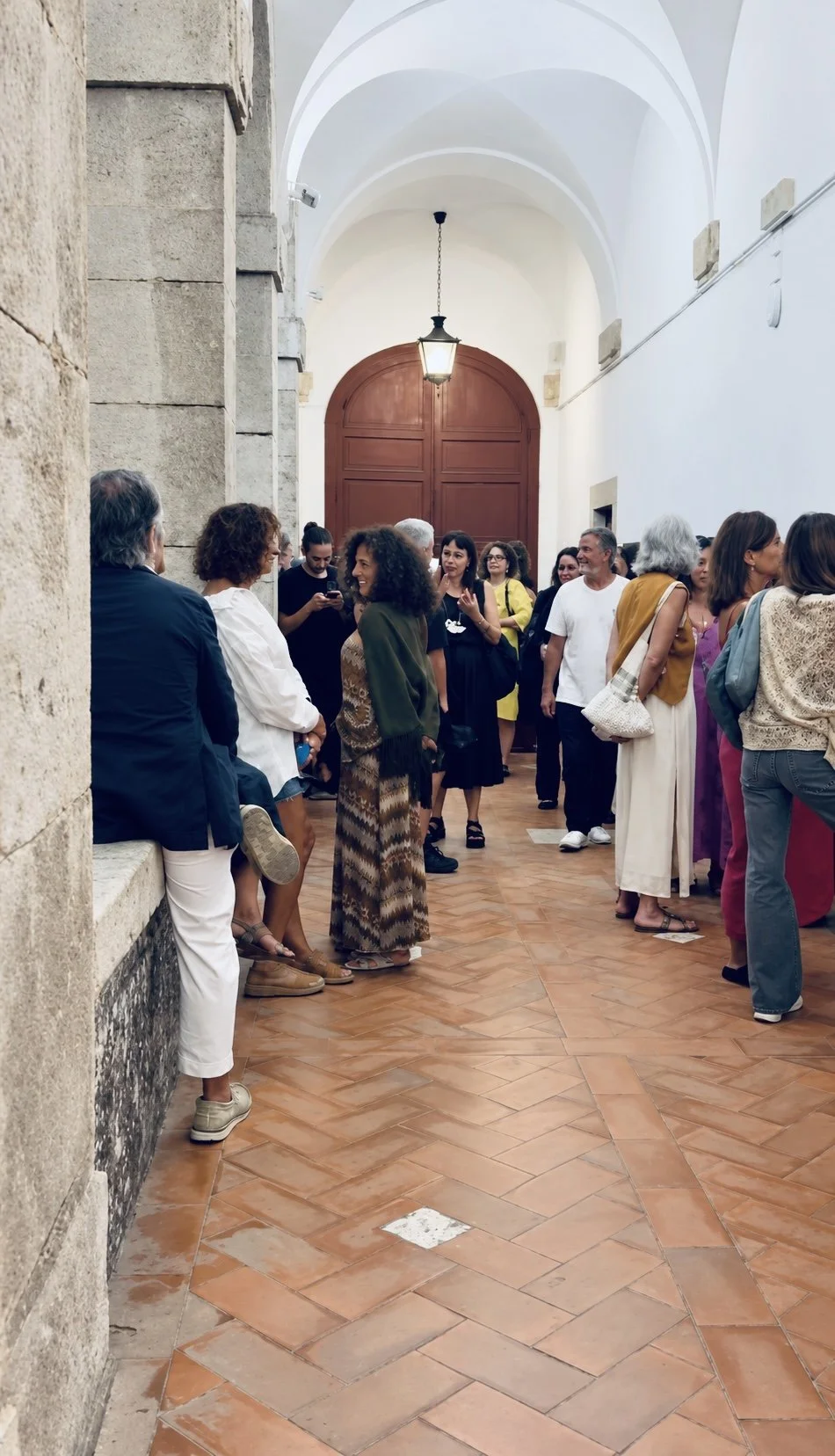
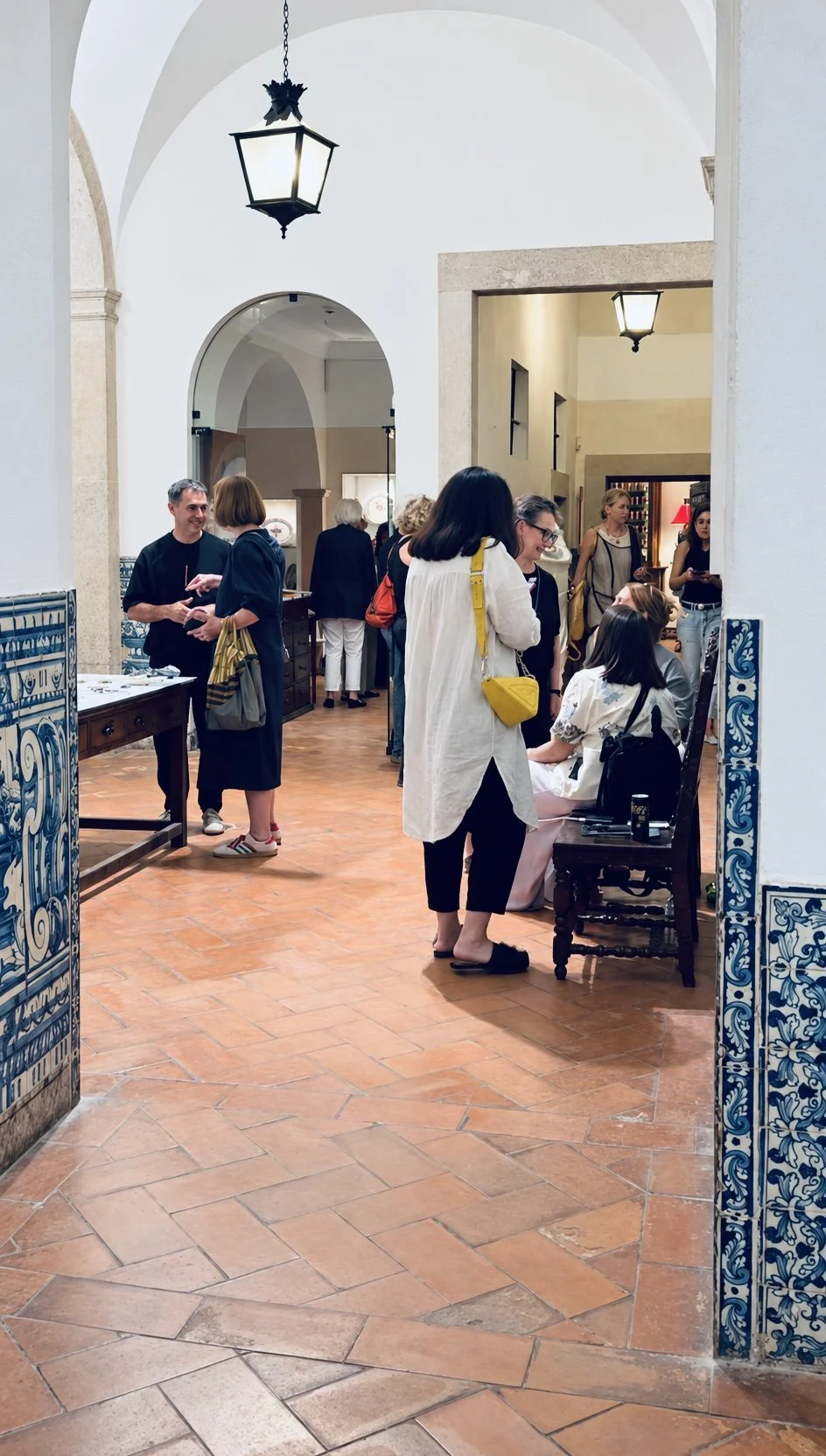
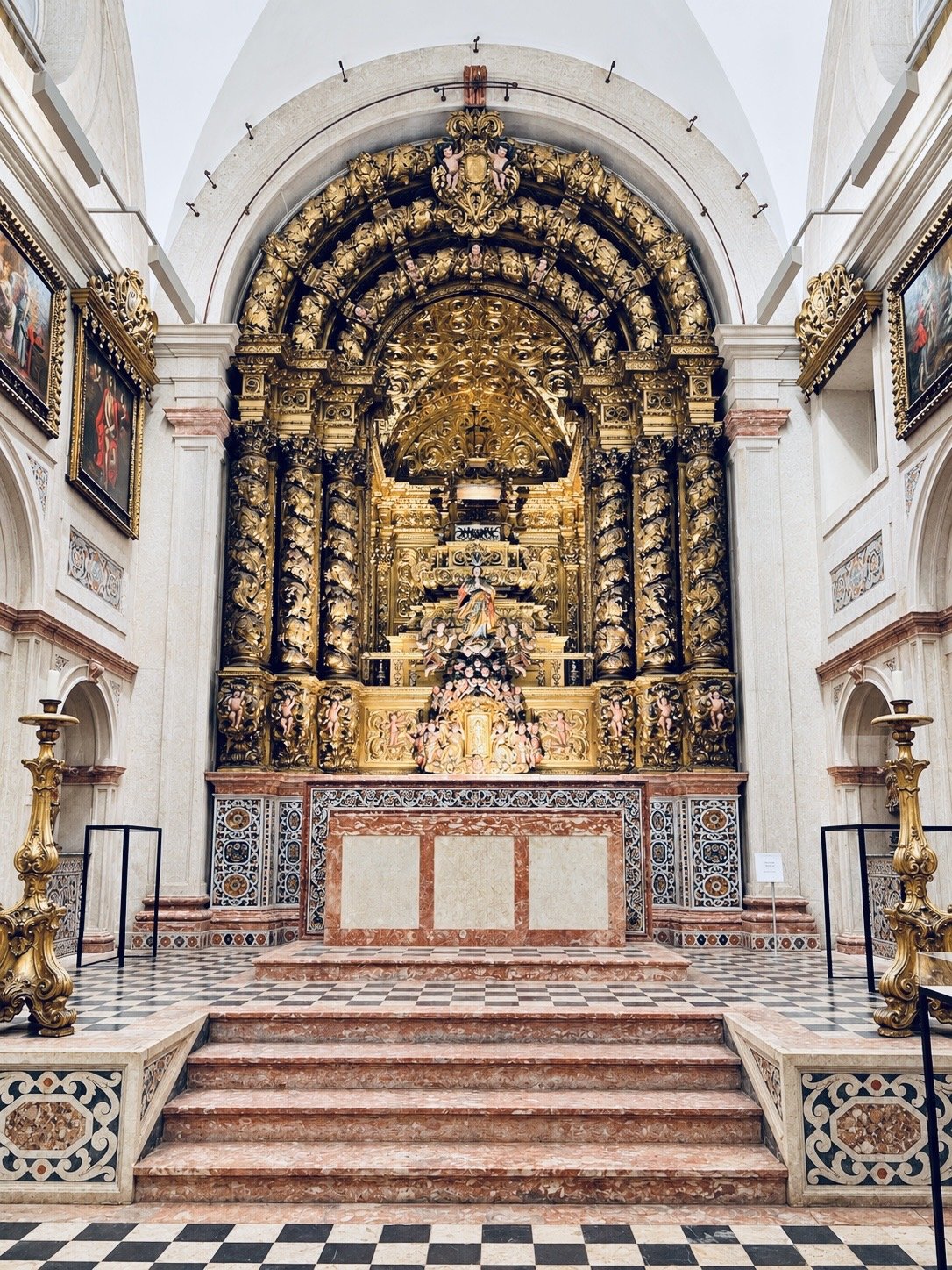
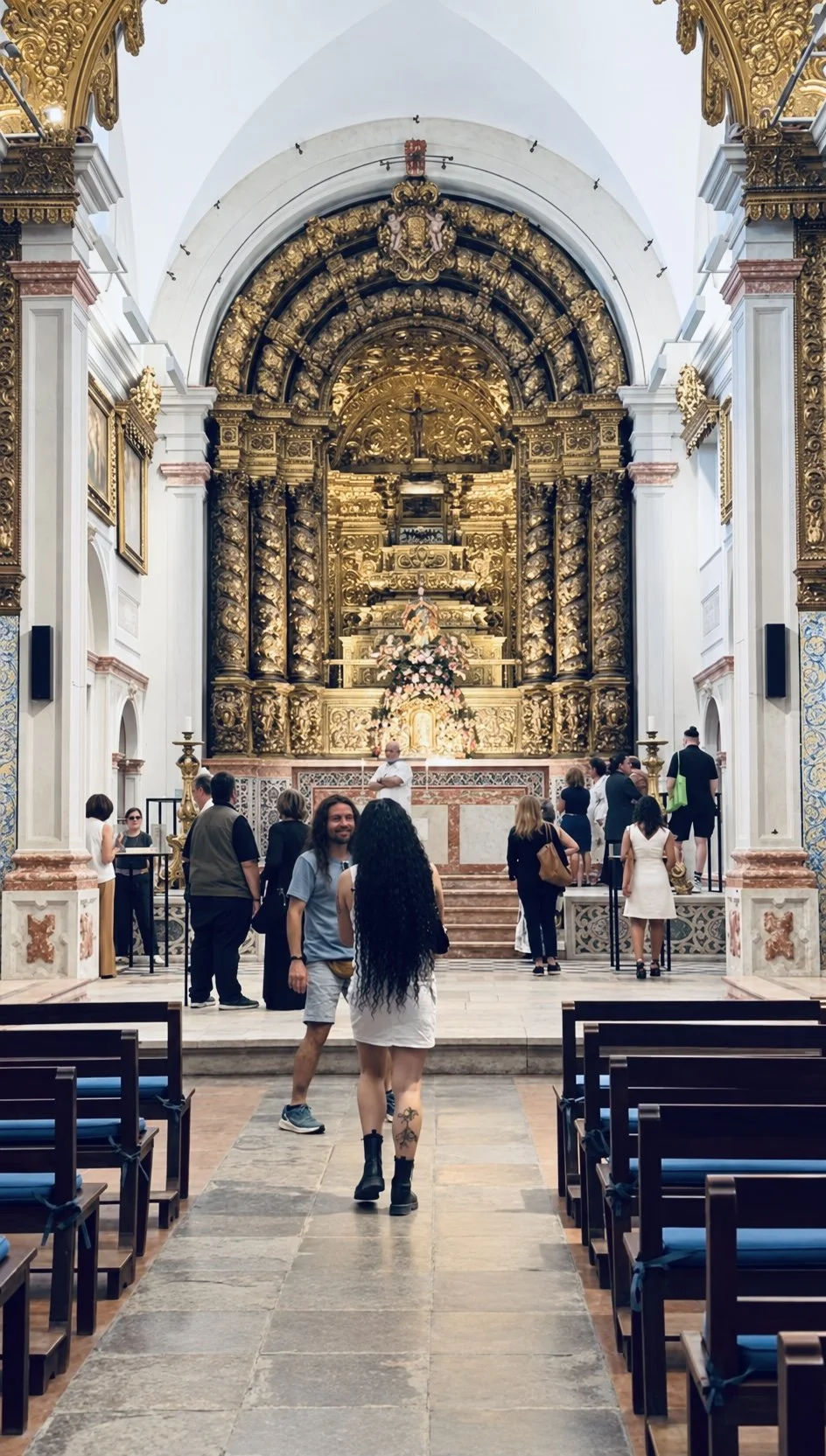
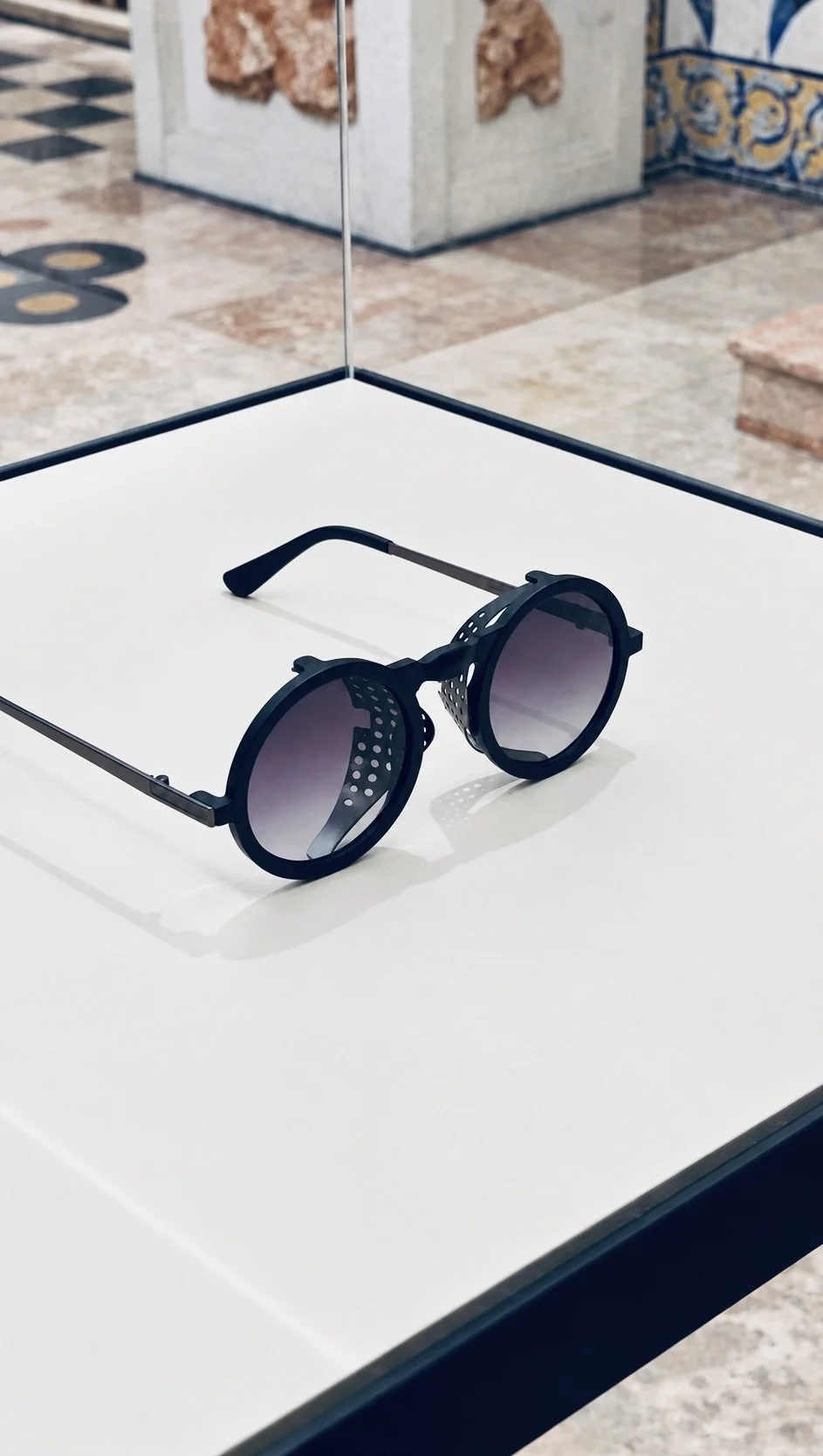
Presented as part of the 3rd Lisbon Contemporary Jewellery Biennial, What Makes Us Blind takes gold as a starting point for reflecting on jewellery and its contradictions.
In this exhibition, we seek inspiration from a fundamental material in jewellery — gold — to question the use and extraction of precious materials, the recycling practices that have shaped the history of jewellery, often involving the destruction of many pieces, and the very notion of preciousness in contemporary jewellery. We also explore the sacred, symbolic, artistic, historical and economic dimensions of materials, jewellery and gold in particular. A metaphor for jewellery itself and its contradictions, gold symbolises beauty, eternity and perfection, yet is often extracted from the earth under conditions that contradict these values.
At a time when gold and other precious metals command exceptionally high prices, we also question how their function as a store of value remains relevant in jewellery, and how it affects contemporary jewellery, which has distanced itself from this dimension.
The use of gold in the pieces is entirely optional. It serves as a starting point for reflection on the present moment in our art, within the Biennial’s broader theme of sustainability and the coexistence of human beings with the different worlds around us — from the mineral and vegetal to the digital and spiritual. How do we connect with materials, and how might we be transformed by the things we create?
Curated by Marta Costa Reis and Manuel d’Olivares.
Official opening: 25 September 2026, 7 pm.
My participation
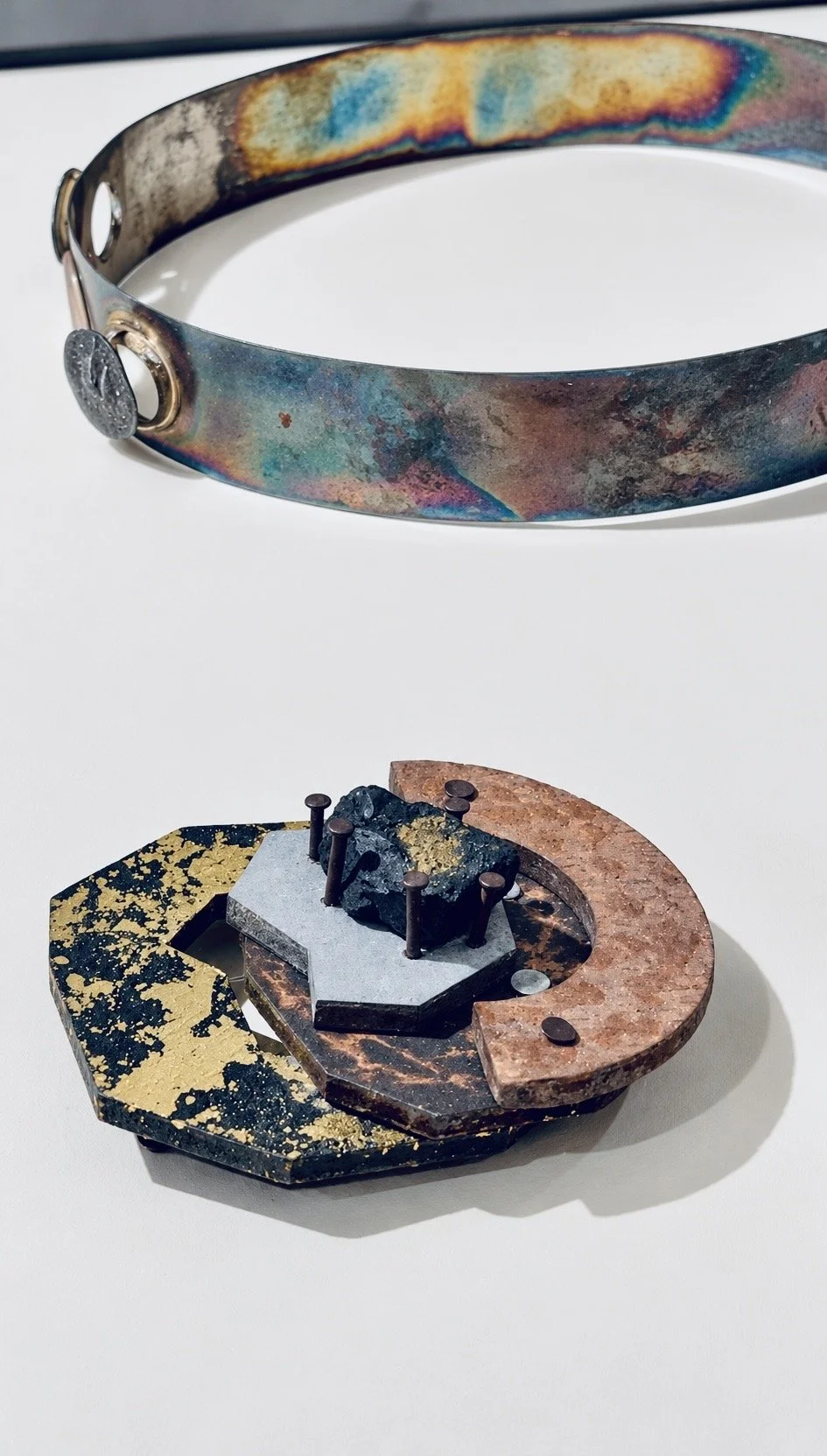
Strata, 2026 · Brooch
Gold does not appear here as a promise of perfection, but as a trace of permanence.
Constructed from reclaimed materials, my brooch brings together laminated birch wood, oxidised iron, coal and gold leaf, creating a dialogue between materials associated with wear, transformation and renewal, and a material historically linked to value, power and eternity.
The gold leaf settles as memory, scar or survival upon surfaces marked by time. Rather than concealing imperfection, it reveals it, questioning the boundaries between the precious and the ordinary, between what we preserve and what we discard.
Despite its multiple layers and robust, almost archaeological appearance, the piece is surprisingly light. As if the weight resided not in the material itself, but in the cultural, symbolic and economic narratives we project onto it.